💡 Key Takeaways
Identify the early warning signs –Learn to distinguish between “clouding” (32 °F) and actual gelling (<20 °F) to prevent engine starvation
Understand fuel variables –Why regional fuel blends (summer vs. winter) and biofuels increase the risk of gelling even in moderate climates
Select the right heating solution – How to choose between electric pre-heaters, overnight plug-ins, and coolant/return fuel heating for total protection
Winter brings with it a lot of hazards, and gelled fuel is a commonly overlooked one. Gelled diesel fuel can block filters and lines, which both starves your engine and leads to hard starts, no starts, and operational downtime. Plus, getting stranded can result in costly tows and emergency services, especially when your operators are in remote areas.
Protect your investment with DAVCO fuel filtration systems. Our industry-leading solutions remove water from fuel and inhibit gelling, giving you something you can count on even when the weather is unpredictable. Let’s take a look at how to prevent diesel fuel gelling.
The Science of Gelled Diesel Fuel – It Starts Before Freezing
Untreated fuel doesn’t gel immediately; it first begins to cloud before it starts to gel. Clouding begins at freezing (32 °F) but generally doesn’t cause any problems at this stage.
Once fuel drops below 20 °F, it can gel into a waxen state that’s very difficult to return to liquid.
When fuel gels, it often leads to clogging and operational issues, usually necessitating a filter replacement.
Some other aspects to consider include:
- • Some drivers might experience issues if they’re heading from warmer climates, like Florida for instance, and heading north without using fuel that features winter additives, relying instead on a summer mix
- • Modern fuels can behave differently, as high-percentage biodiesel can cloud above 32 °F depending on what it is made from, with some even clouding at 40 °F
| Stage | Temperature | What Happens |
|---|---|---|
| Clouding | ~32 °F | Fuel becomes hazy; generally no issues yet |
| Gelling | Below 20 °F | Waxen state; clogs filters and lines |
| Biodiesel Risk | Above 32 °F (up to 40 °F) | High-% biodiesel may cloud earlier |
Spotting the Symptoms
Don’t get left out in the cold – literally. Know the signs of diesel fuel gelling so you and your operators can take action:
- Hard starts or no starts
- Rough running
- Low power
- Low-pressure warning light
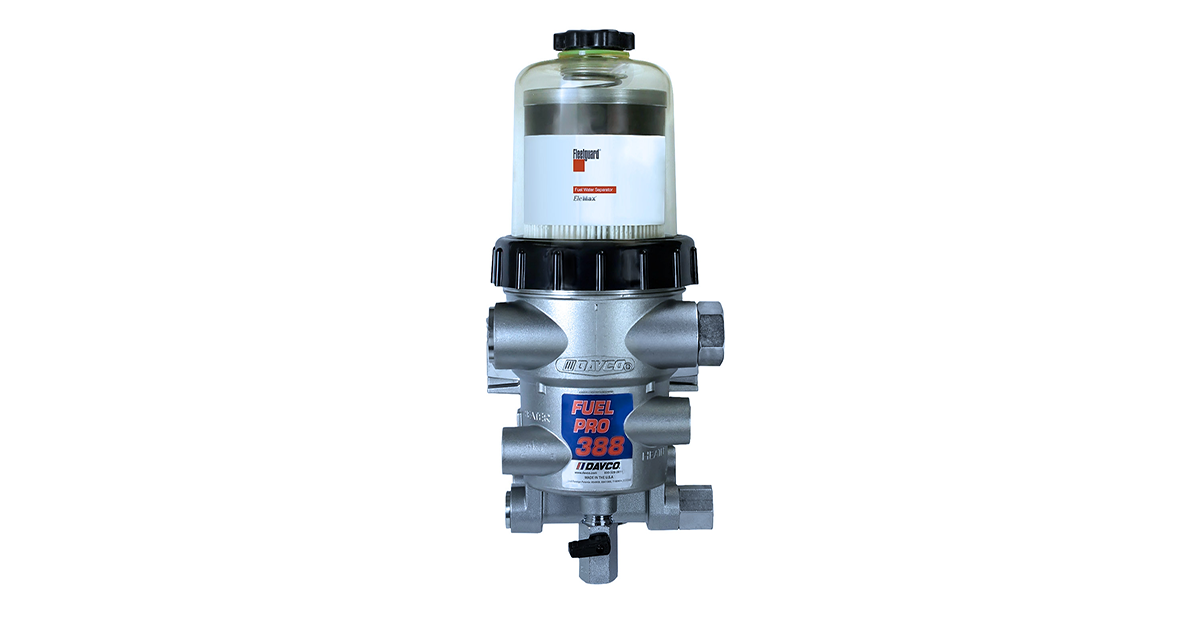
Along with these, if you use a DAVCO fuel/water filtration system, you can benefit from our Seeing Is Believing technology with its clear cover. You’ll be able to easily see clouded fuel as well as gelled fuel if it progresses to that stage.
First Lines of Defense
There are some key steps that companies can take alongside fuel filtration systems to prevent gelling and keep their equipment operational. These include:
- • Using a quality fuel that contains a reputable additive product (both cold-weather and warm-weather additives are available)
- • Setting up a tank maintenance program to check on a range of issues, including diesel fuel clouding and gelling
- • Keeping the engine running at a high idle in a pinch if additive and heating options aren’t currently available
- • Using DAVCO cold-weather heating solutions to protect against variables that operators cannot control
The Ultimate Solutions for Preventing Diesel Fuel Gelling
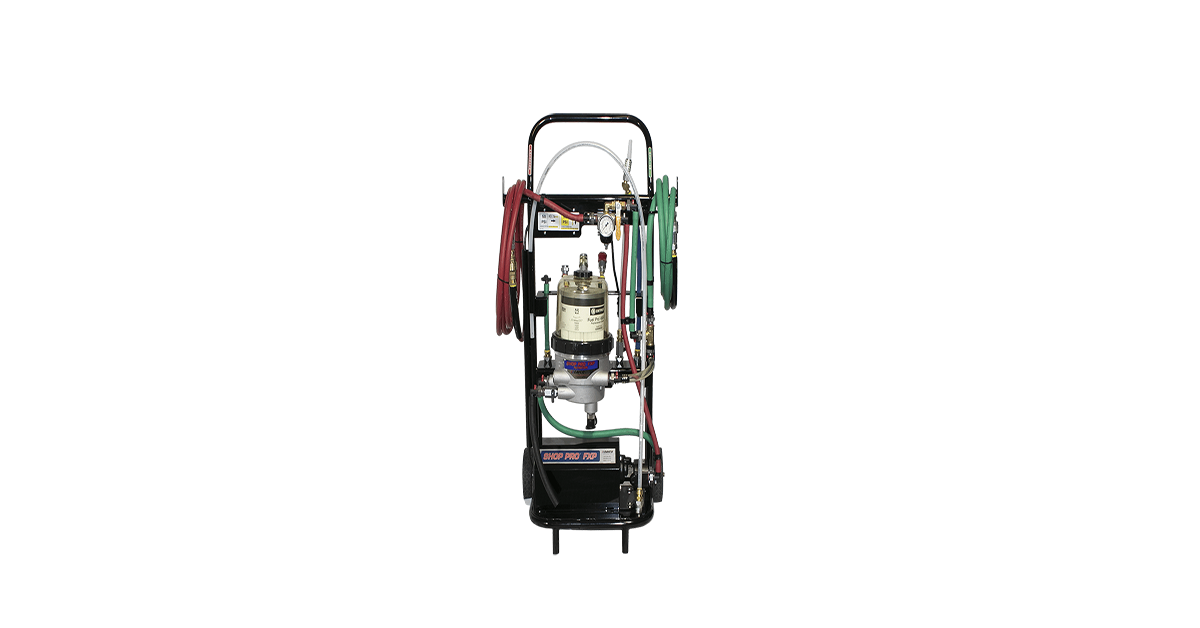
DAVCO is proud to offer the industry’s leading solutions for fuel gelling prevention and water and contaminant removal:
- • 120 VAC Overnight Heaters – These heaters warm fuel when your truck is sitting and potentially freezing on cold winter nights, using the same power outlet used by engine block heaters.
- • 12 VDC and 24 VDC Pre-heaters – We offer numerous pre-heaters that correspond with our Fuel Pro® and Diesel Pro® systems, using the ignition switch to heat fuel prior to running the engine. Medium-duty and heavy-duty options available.
- • Fluid Heat – This approach uses coolant or a return fuel blend to warm the fuel in the DAVCO unit while the vehicle is in operation.
FAQs on Gelled Diesel Fuel
Can I use a DAVCO overnight heater if my truck already has a block heater?
Yes, if your truck uses a 120 VAC plug for the block heater, you can use a DAVCO “Y” cord (P/N 102015) to wire the pre-heater into the same harness.
Does high-idle prevent gelling if I don’t have a heater?
Running at high idle is a costly but effective emergency measure, if you lack additives or heaters, but it is not a recommended long-term solution.
Why does my fuel level look inconsistent or high during cold weather?
When diesel fuel begins to cloud (before it fully gels), it can cause the fuel level in the clear bowl to rise, which is often mistaken for a plugged filter.
Choose DAVCO to Prevent Diesel Fuel Gelling
A stalled truck = costly downtime + expensive repairs.
Keep your fuel operational and flowing freely with the cold-weather solutions from DAVCO. Reach out to us to get started.