Date Published: July 9, 2026
How Fuel Filtration Combats Bad Fuel and Prevents Damage to Injectors and Engine Components
Key Takeaways
- Contaminants are multifaceted – Poor fuel quality introduces water, particulates, and microbial growth within systems that can severely damage engines.
- Water is an injector’s worst enemy – Water infiltration displaces vital lubricative coatings, creating surface pitting, tolerance erosion, and costly breakdowns.
- Advanced filtration delivers reliable protection – Advanced fuel water separators with clear covers help prevent engine damage, reduce maintenance costs, and allow operators to verify fuel quality before problems arise.
The Hidden Threat in Your Tank
To keep your engines operational, you need clean fuel you can rely on, but varied contaminants can creep in and cause a host of problems. Poor-quality fuels with dirt, water, and microbes can plug fuel water separators, cause injector failures, propagate rust, and allow bacteria and fungi to flourish.
“Bad fuel” isn’t a single, clear-cut problem – it’s a multilayered threat that puts expensive machinery at risk.
What “Bad Fuel” Actually Means at the Tank
Poor fuel quality is the result of three major elements, any combination of which can be present at a given time:
| Contaminant | How It Enters and What It Does |
|---|---|
| Water | Condensation entering storage tanks can create an environment ripe for corrosion and rust. |
| Dirt and particulates | Small bits of dirt and other materials can enter tanks during transfer and refueling. |
| Microbes | Bacteria, fungi, and other microbes can develop in fuels since they feed on fuel mixtures. |
Every touchpoint from storage container to tank creates opportunities for contamination, which can result in water in diesel fuel, bad fuel injectors, and permanent damage to pumps, engines, and other critical components. To keep these problems at bay, proper fuel filtration is essential.
How Water in Diesel Fuel Destroys Injectors
A bad fuel injector rarely fails on its own – it’s often the result of a mechanical chain of failure brought about by contaminants like water or particulates that got past inadequate separation.
Worse, water will flash to vapor under high injection pressure, physically eroding injector tips. The result is a costly repair featuring an injector replacement and labor, compounded by the downtime suffered by your operations.
labor costs, and downtime.
The Cost of Injector Failure vs. Effective Filtration
The cost of injector failure is multifaceted, encompassing:
• Parts
• Labor
• Towing
• Lost route or production time
Repairs and replacements hurt your bottom line, and one failure event can easily dwarf the cost of a proper fuel filtration system that would prevent long-term issues. Keeping water, particulates, and microbes out of your fuel and keeping your operations running saves you the headaches and unneeded expenses.
What Proper Filtration and Water Separation Looks Like
A quality fuel water separator:
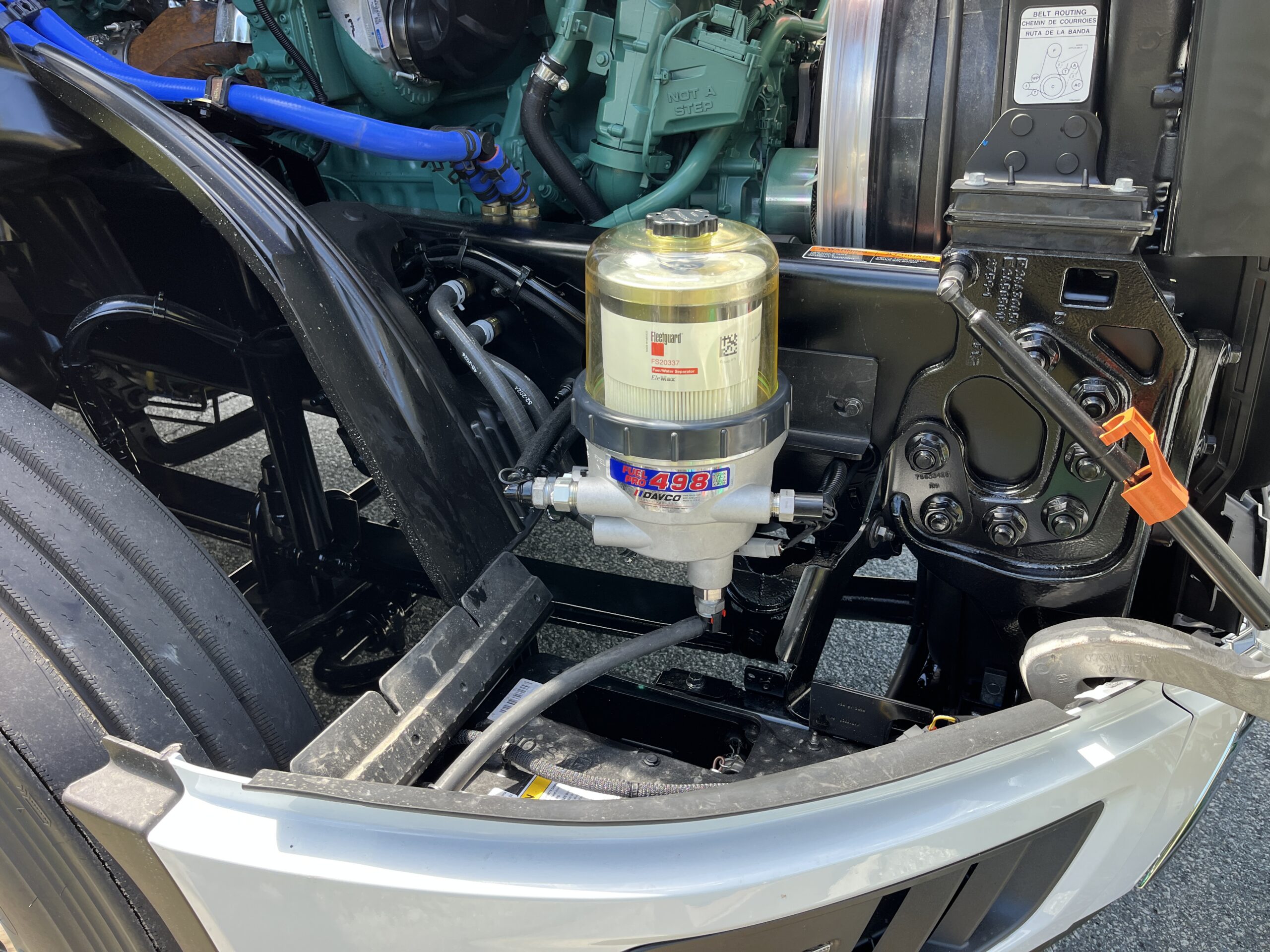
Proper filtration requires an all-in-one solution for diesel filtration and water separation, and one capable of handling high flow rates, like our Fuel Pro® and Diesel Pro® lines do. These systems facilitate high-efficiency water separation while filtering out damaging particulates tailored to the engine’s tolerance.
But you can’t fight what you can’t see. That’s why these DAVCO systems feature our exclusive “Seeing Is Believing®” technology that uses a clear cover that allows operators to know exactly when filter replacements are needed.
No wasted time, no wasted filter replacements – just maximized uptime.
FAQs on Fuel Water Separators
What happens if bacteria or fungi get into my diesel fuel?
Poor-quality diesel fuel allows bacteria and fungi to thrive, leading to severe microbial growth that can plug fuel water separators and damage your entire system. But high-quality filtration systems trap these contaminants, preventing them from reaching critical engine components.
How do I prevent diesel fuel from gelling in cold weather?
To combat winter fuel issues, use filtration systems outfitted with cold weather options and fuel heating technology. These systems prevent diesel fuel from gelling while ensuring continuous water and contaminant removal.
Protect Your Engines with DAVCO Systems
Contaminants that seep into your engine can do massive damage and lead to costly repairs and downtime. Don’t risk your equipment – keep a close eye on it with the clear-cover fuel water separators from DAVCO.



 Read the Story